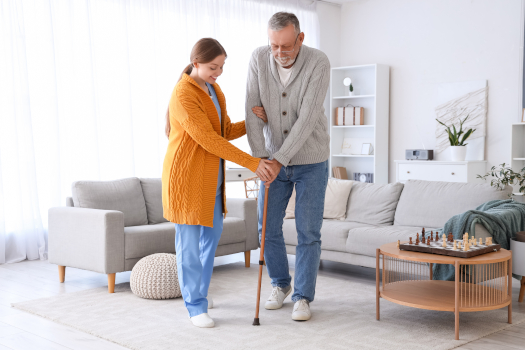
Caregivers can create safer homes for aging parents by removing hazards, improving lighting, installing assistive devices, and organizing spaces for accessibility. These proactive steps reduce fall risks, support daily functioning, and help aging parents maintain independence while lowering the likelihood of preventable injuries.
How Can I Make the Bathroom Safer?
The bathroom is often the most dangerous room in the house due to wet, slippery surfaces and hard fixtures. Installing grab bars near the toilet and inside the shower provides essential stability for seniors with limited mobility or balance issues. You should also place nonslip mats inside and outside the tub to prevent falls on wet floors. Consider adding a raised toilet seat or a shower chair to minimize the physical strain of sitting and standing.
In the golden years, it’s easier to maintain a high quality of life in a senior-friendly home. Many older adults are choosing to age in place, and some need a helping hand to continue living at home safely and comfortably. Luckily, there is professional home care Portland seniors can trust and rely on.
Why Is Lighting Important for Fall Prevention?
Poor visibility is a leading cause of accidents in the home, especially for aging eyes that require more light to see depth and contrast clearly. Ensure all hallways, staircases, and entryways are well lit with high-wattage bulbs to eliminate dark corners. Motion sensor nightlights are particularly helpful for guiding aging parents to the bathroom or kitchen during the night without the need to fumble for switches in the dark.
What Should I Do about Floors and Walkways?
Keeping floors clear is essential for preventing trips and falls, which can have devastating health consequences for older adults. Remove loose throw rugs or secure them firmly with double-sided tape, as they can easily bunch up under walkers or feet. Clear electrical cords from walkways and rearrange furniture to create wide, unobstructed paths that allow for easy movement throughout the house.
How Can I Organize the Kitchen for Accessibility?
A safe kitchen allows aging parents to prepare meals without risking injury or strain from overreaching or climbing. Move frequently used items like plates, glasses, and spices to countertop level or lower shelves to avoid the need for step stools or heavy lifting. If possible, upgrade to appliances with automatic shutoff features to prevent fire hazards if the stove is accidentally left on.
If you have a loved one who is experiencing cognitive decline due to dementia, he or she may need to be supervised in order to use the kitchen safely. Aging in place can present a few challenges for seniors living with dementia. However, they can still live independently at home with the help of professional Portland dementia home care. Families can rely on Align Home Care Services to provide their elderly loved ones with mental and social stimulation, timely medication reminders, assistance with meal prep, and much more. Our caregivers are available around the clock to help your loved one live a happier and healthier life.
What Emergency Measures Should Be in Place?
Even with robust preventative measures, accidents can happen, so having a reliable communication system is vital for peace of mind. Consider installing a medical alert system that allows your parent to summon help immediately with the push of a wearable button. Keep a list of emergency contacts, including doctors, neighbors, and family members, written in large print near the telephone or on the refrigerator.
Certain age-related conditions can make it more challenging for seniors to age in place safely and comfortably, but Portland 24-hour home care experts are available around the clock to help seniors manage their health. Whether your loved one is living with dementia or recovering from a stroke, you can trust the professional caregivers from Align Home Care Services to enhance his or her quality of life. To learn about our high-quality in-home care options, give us a call today.
Frequently Asked Questions
Does Medicare pay for home safety modifications?
+
Medicare typically doesn’t cover home modifications like ramps or grab bars, but it may cover medically necessary durable medical equipment.
What’s the first step I should take when safety-proofing a home?
+
Start by conducting a room-by-room walkthrough to identify immediate tripping hazards, such as loose rugs or clutter on the floor.
Are there simple technologies that can keep my parents safe?
+
Yes, smart home devices like voice-activated lights, video doorbells, and automated pill dispensers can significantly enhance safety and ease of living.
How can I talk to my parents about making these changes without upsetting them?
+
Frame the conversation around your desire to help them stay independent in their own home for as long as possible rather than focusing on their limitations.