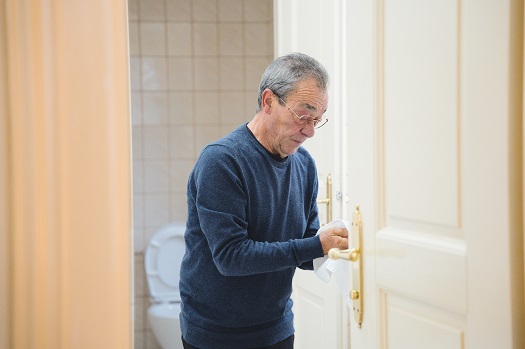
Effective incontinence management in senior in-home care involves establishing consistent routines, selecting the right absorbent products, maintaining skin health, and creating a comfortable, dignified environment for the individual receiving care.
Incontinence is one of the most common challenges seniors and their caregivers face, and with the right strategies in place, it can be managed with confidence and compassion. This post outlines the most practical evidence-informed approaches to help caregivers provide better daily care.
What Are the Most Effective Toileting Routines for Seniors with Incontinence?
Structured toileting schedules are one of the most reliable tools for reducing incontinence episodes.
- Schedule bathroom visits every 2–3 hours throughout the day, regardless of urgency.
- Keep a log of accidents to identify patterns and adjust timing accordingly.
- Use verbal cues and reminders to help seniors who may have cognitive impairments.
- Encourage bathroom visits before and after meals and before bedtime.
Consistency is key. Over time, a predictable routine can reduce the frequency of accidents and help seniors feel more in control.
How Do You Choose the Right Incontinence Products for In-Home Care?
Selecting appropriate products reduces discomfort, prevents leaks, and protects skin integrity.
- Light incontinence – Bladder pads or liners are sufficient for minor leakage.
- Moderate to heavy incontinence – Pull-up underwear or adult briefs with higher absorbency are more appropriate.
- Overnight care – Overnight-rated briefs with extended absorbency prevent disrupted sleep and skin irritation.
- Ensuring products fit properly – Too loose leads to leaks, while too tight causes skin breakdown.
When in doubt, try a few different styles and absorbency levels to find what works best for your loved one’s needs and mobility level.
If your loved one needs help managing incontinence or another health concern, consider hiring a professional caregiver. Many older adults are choosing to age in place, and some need a helping hand to continue living at home safely and comfortably. Luckily, there is professional at-home care Portland seniors can trust and rely on.
What Skin Care Practices Can Prevent Complications from Incontinence?
Prolonged exposure to moisture is a leading cause of skin breakdown, rashes, and pressure injuries in seniors.
- Clean the skin gently with mild fragrance-free cleansers after every incontinence episode.
- Pat dry thoroughly—never rub—to avoid irritation.
- Apply a moisture barrier cream or ointment (such as zinc oxide or petroleum-based products) to protect vulnerable areas.
- Change incontinence products promptly after soiling. Never leave your loved one in a wet or soiled product.
- Check skin daily for early signs of redness, rash, or breakdown.
Proactive skin care reduces the risk of painful complications and supports overall comfort.
How Can Caregivers Support the Emotional Wellbeing of Seniors Experiencing Incontinence?
Incontinence often carries significant emotional weight, including feelings of embarrassment, shame, and loss of independence.
- Use calm, matter-of-fact language when assisting with incontinence care to normalize the experience.
- Always prioritize privacy during changes and toileting routines.
- Avoid expressing frustration or impatience, even during difficult moments.
- Encourage open conversation so your loved one feels comfortable communicating his or her needs.
- Frame incontinence management as part of everyday personal care, not as something unusual or burdensome.
Dignity-centered care has a direct impact on emotional health and quality of life.
Living independently is important for seniors who want to maintain a high quality of life. For some, this simply means receiving help with tasks that have become more challenging to manage over time. Even when families have the best intentions, they may not have the time to provide the care their elderly loved ones need and deserve. If your loved one needs help for a few hours a day or a few days a week, reach out to Align Home Care Services, a trusted provider of respite and overnight care in Portland and surrounding areas.
What Environmental Adjustments Support Better Incontinence Management at Home?
Small changes to the home environment can significantly reduce accidents and increase safety.
- Place a bedside commode in the bedroom for quick nighttime access.
- Ensure pathways to the bathroom are well lit and free of trip hazards.
- Install grab bars near the toilet to assist with sitting and standing.
- Use waterproof mattress protectors and chair covers to protect furniture.
- Keep incontinence supplies stocked and within easy reach.
A well-prepared environment removes barriers that can turn a manageable situation into an emergency.
Older adults living with incontinence or other age-related issues can benefit from professional in-home care. Some seniors only require help with a few daily tasks so they can maintain their independence. However, those living with serious illnesses may need more extensive assistance. Luckily, seniors and their families can rely on high-quality professional Portland 24-hour home care. Home can be a safer and more comfortable place for your loved one to live with the help of an expertly trained and dedicated around-the-clock caregiver. Align Home Care Services can be your trusted partner when your loved one needs help with the challenges of aging. Call us today to learn about our high-quality in-home care services.
Frequently Asked Questions
How often should incontinence products be changed for seniors at home?
+
Products should be changed promptly after each episode of soiling. Leaving a senior in a wet or soiled product for extended periods increases the risk of skin irritation and infection.
What foods or drinks can worsen incontinence in seniors?
+
Caffeine, alcohol, and carbonated beverages are known bladder irritants that can increase urgency and frequency. Limiting these can reduce incontinence episodes.
Is incontinence a normal part of aging?
+
While incontinence becomes more common with age, it’s not an inevitable part of aging and can often be better managed with consistent routines and appropriate products.
How can I help a senior who refuses incontinence care?
+
Resistance often stems from embarrassment or loss of dignity. Approaching the conversation with empathy, offering choices, and maintaining a respectful tone can ease reluctance over time.
Are there exercises that can help seniors manage incontinence?
+
Pelvic floor exercises, commonly known as Kegel exercises, can strengthen the muscles that control bladder function and may reduce leakage for some seniors.